
The psychology behind gambling Understanding its mental impacts
The allure of gambling
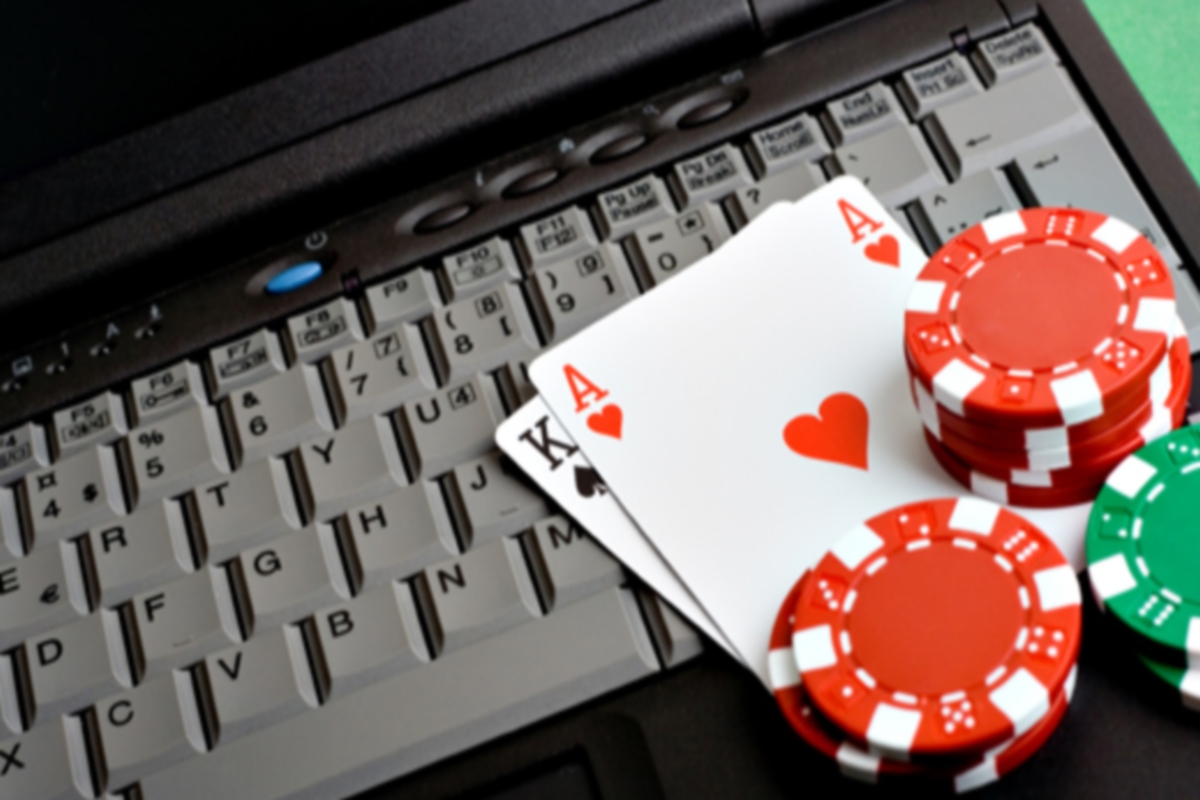
The thrill of gambling attracts millions, driven by the promise of quick rewards and the allure of risk. This psychological phenomenon can be traced back to our evolutionary instincts; the excitement of taking chances can elicit feelings of euphoria and anticipation. In New Zealand, many players are exploring new casinos new zealand, which stimulate the brain’s reward system by releasing dopamine, contributing to a sense of pleasure and reinforcing the desire to gamble again.

Moreover, the social aspect of gambling cannot be overlooked. Many people find camaraderie and shared excitement in group settings, whether at a casino or a poker night with friends. This social engagement enhances the overall experience, often leading to increased participation and a deeper emotional connection to gambling activities.
The psychological factors influencing gambling behavior
Various psychological elements influence an individual’s decision to gamble. Cognitive distortions, such as the illusion of control, lead players to believe they can influence the outcome of games of chance. This misconception can perpetuate gambling behavior, as individuals feel empowered to change their luck through strategy or skill, even when such beliefs are unfounded.
Additionally, emotional states greatly impact gambling habits. For some, gambling serves as an escape from stress, anxiety, or depression. While it may offer temporary relief, this reliance can lead to problematic gambling patterns, compounding existing issues rather than resolving them.
The risks of gambling addiction
Gambling addiction is a serious mental health concern that can have devastating effects on individuals and their families. The compulsive nature of gambling can lead to financial ruin, relationship breakdowns, and a deteriorating mental state. As the brain becomes conditioned to seek the thrill of gambling, individuals may find themselves unable to stop despite negative consequences.
Understanding the signs of gambling addiction is crucial for early intervention. Symptoms can include preoccupation with gambling, increased tolerance, and neglecting responsibilities in pursuit of gambling. Awareness and support systems are essential in addressing this addiction, helping individuals regain control over their lives.
Managing gambling behavior
For those who gamble recreationally, setting limits and maintaining self-awareness is vital. Establishing a budget and adhering to it can prevent gambling from becoming detrimental. Additionally, recognizing triggers and developing healthier coping mechanisms can mitigate the urge to gamble excessively.
Support groups and counseling can also provide valuable resources for individuals seeking to manage their gambling behavior. Connecting with others who share similar experiences fosters understanding and offers practical strategies for maintaining a balanced approach to gambling.
Explore the world of responsible gambling
Educating oneself about the mental impacts of gambling is essential for both new and experienced players. By understanding the psychological factors at play, individuals can make informed decisions and engage in gambling responsibly. Numerous resources exist to promote safe gambling practices, ensuring a healthy balance between enjoyment and risk.
Whether you are a novice or a seasoned gambler, being aware of your mental and emotional states can enhance your gambling experience. Prioritizing responsible gaming allows you to enjoy the thrill while minimizing potential harm, paving the way for a more sustainable relationship with gambling activities.