
Understanding gambling addiction A deep dive into its effects and recovery strategies
What is Gambling Addiction?
Gambling addiction, also known as compulsive gambling or pathological gambling, is a behavioral disorder characterized by an uncontrollable urge to gamble despite the negative consequences. It often leads individuals to prioritize gambling over essential aspects of life, such as relationships, work, and financial stability. The allure of gambling lies in its potential for instant gratification and the thrill associated with winning, but for some, this can spiral into a damaging addiction. Many now seek the best new casinos online, which only amplifies the potential for problems.
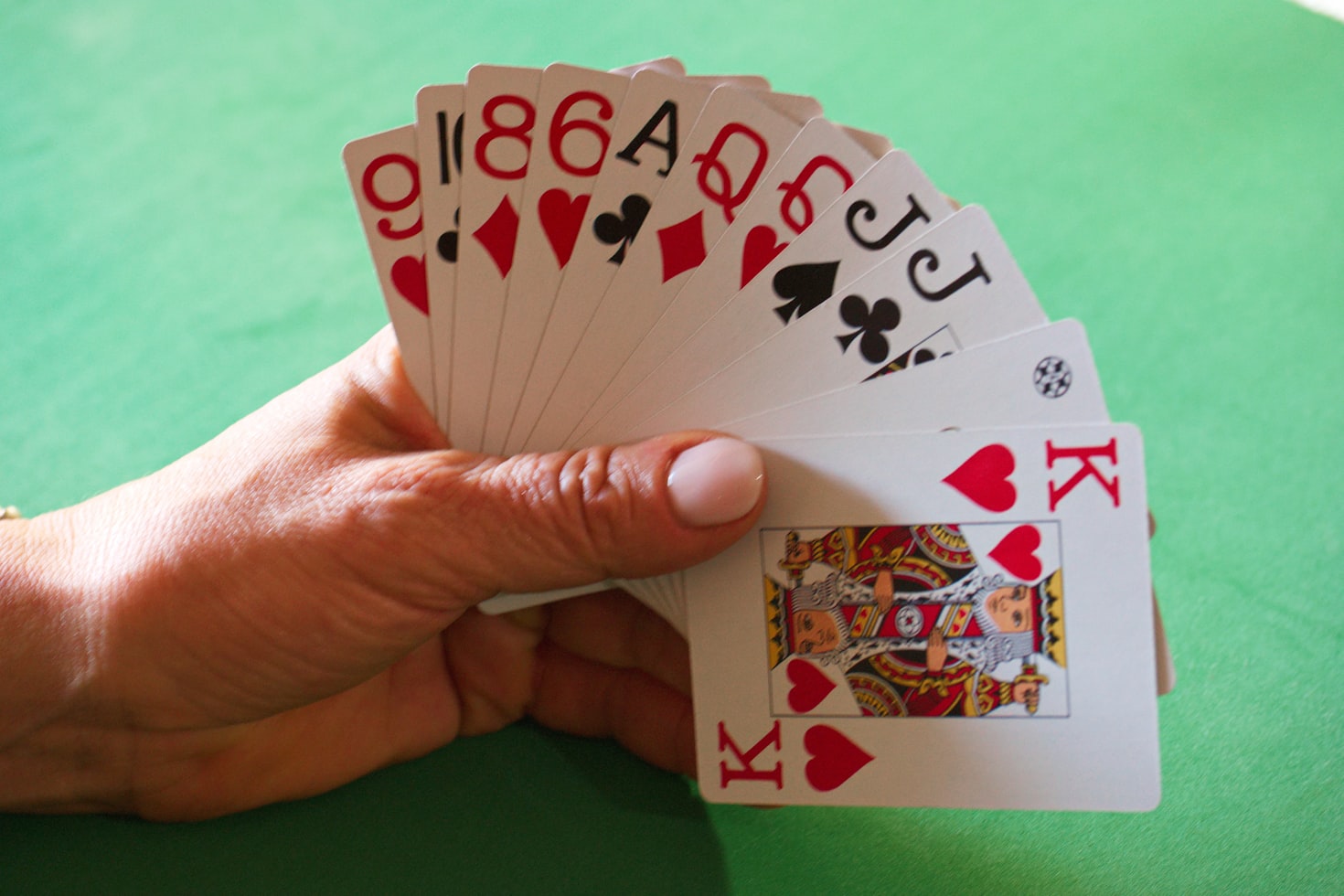
This addiction can manifest in various forms, including online gambling, casino visits, and sports betting. The rise of internet gambling has made it more accessible, allowing individuals to engage in risky behaviors from the comfort of their homes. Understanding the nature of this addiction is crucial for recognizing its signs and seeking help.
Effects of Gambling Addiction
The effects of gambling addiction are profound and far-reaching. On a personal level, individuals may experience anxiety, depression, and feelings of isolation. The financial burden of gambling can lead to significant debt, impacting not only the gambler but also their families and friends. Many experience the shame and guilt associated with their behavior, leading to a cycle of secrecy and denial.
Moreover, the addiction can disrupt relationships, causing friction between partners and leading to trust issues. Family members often feel the ripple effects, as the gambler’s actions can lead to emotional and financial strain. In severe cases, individuals may resort to illegal activities to fund their addiction, which can have legal repercussions and result in loss of employment and social standing.
Recognizing the Signs of Gambling Addiction
Recognizing gambling addiction is essential for timely intervention. Common signs include preoccupation with gambling, increasing amounts of money wagered, and unsuccessful attempts to cut back. Individuals may also lie about their gambling habits or gamble to escape other problems, often placing themselves in vulnerable situations.
Additionally, withdrawal symptoms can occur when not gambling, leading to irritability, restlessness, or anxiety. Understanding these signs can help friends and family members intervene appropriately and encourage the gambler to seek help before the addiction escalates.
Recovery Strategies for Gambling Addiction
Recovery from gambling addiction is a challenging but achievable process. The first step typically involves acknowledging the problem and seeking support. Professional treatment options, including therapy and counseling, can provide individuals with strategies to manage their urges and cope with underlying issues. Cognitive-behavioral therapy (CBT) has proven effective in changing harmful thought patterns associated with gambling.
Support groups, such as Gamblers Anonymous, offer a sense of community and understanding, providing a safe space for individuals to share their experiences and learn from others. Developing healthy coping mechanisms and engaging in alternative activities can also assist in recovery, helping individuals rebuild their lives outside the gambling environment.

Resources and Support for Gambling Addiction
There are numerous resources available for individuals struggling with gambling addiction. Various organizations provide information, counseling, and support tailored to those affected by this disorder. These resources can help guide individuals through the recovery process, offering practical advice and emotional support.
Additionally, websites dedicated to gambling awareness often provide tools for self-assessment and strategies for responsible gambling. The importance of reaching out for help cannot be overstated, as the journey towards recovery is often best undertaken with the support of others who understand the challenges involved.