
Emerging trends shaping the future of casino design
Integration of Technology in Casino Spaces
As technology advances, casinos are increasingly integrating cutting-edge solutions into their designs. Virtual reality and augmented reality are transforming the gaming experience, allowing players to engage in immersive environments that replicate the excitement of physical casinos. These technologies enhance player interaction, making games more engaging and dynamic. By incorporating these elements into their design, casinos can attract a younger demographic eager for innovative experiences. New players can even use a Duel referral code to unlock exclusive benefits right from registration.
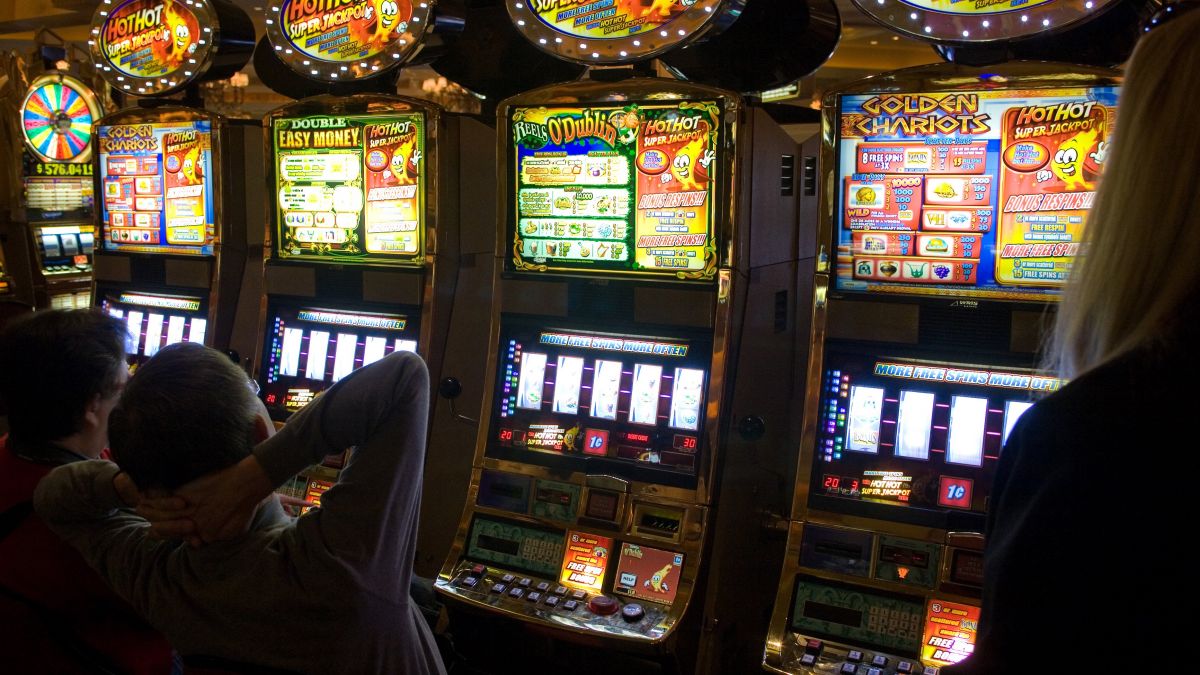
Moreover, digital signage and interactive displays are becoming vital components in casino layouts. These screens not only provide real-time information on games and events but also serve as captivating art installations that draw visitors in. By utilizing vibrant visuals and interactive features, casinos can create a lively atmosphere that enhances the overall guest experience, encouraging longer stays and increased spending.
Furthermore, cashless payment systems are revolutionizing transactions within casinos. Mobile wallets and contactless payment methods streamline the financial aspect of gambling, allowing for quicker transactions and reducing wait times. This shift towards digital payments not only modernizes the casino experience but also addresses safety concerns by minimizing cash handling, making it more appealing to health-conscious players.
Sustainability and Eco-Friendly Design
With increasing awareness of environmental issues, sustainability is becoming a fundamental aspect of casino design. Operators are focusing on eco-friendly materials and energy-efficient systems to minimize their carbon footprint. For instance, solar panels, LED lighting, and water conservation systems are being integrated into new constructions. These efforts not only contribute to a healthier planet but also attract environmentally conscious gamblers who prefer establishments with sustainable practices.
Additionally, the design of casino spaces is evolving to incorporate biophilic elements that connect guests with nature. Incorporating natural light, indoor gardens, and living walls into the design helps create a calming atmosphere that enhances the guest experience. This connection to nature can reduce stress levels among patrons, making them more inclined to stay longer and enjoy their time at the casino.
Furthermore, sustainable design practices also extend to waste management. Casinos are implementing comprehensive recycling programs and reducing single-use plastics within their facilities. By promoting eco-friendly initiatives, casinos can enhance their brand image and appeal to a demographic that prioritizes sustainability, creating a loyalty bond with their clientele.
Focus on Creating Unique Experiences
Today’s casino-goers are seeking unique and memorable experiences, prompting designers to rethink traditional layouts. Many establishments are moving away from the conventional floor plan that focuses solely on gaming. Instead, they are integrating diverse attractions such as live entertainment venues, gourmet restaurants, and upscale lounges. This holistic approach allows casinos to cater to a broader audience, providing various entertainment options that enhance the overall guest experience.
Moreover, themed environments are becoming increasingly popular in casino design. By creating immersive atmospheres that transport visitors to different cultures or historical periods, casinos can stand out in a competitive market. This strategy not only attracts gamers but also appeals to tourists and casual visitors looking for a distinctive experience. For example, a casino might create an Asian-themed area complete with decor, cuisine, and entertainment that reflects that cultural heritage.
Furthermore, personalization is becoming a key component of the gaming experience. Casinos are leveraging data analytics to understand customer preferences and tailor experiences accordingly. This can range from personalized game recommendations to custom rewards programs, enhancing player engagement and satisfaction. Such individualized experiences create a sense of value and connection for patrons, fostering loyalty and repeat visits.
The Role of Design in Enhancing Safety and Security
In a post-pandemic world, safety and security have taken center stage in casino design. Casinos are rethinking their layouts to accommodate social distancing measures without sacrificing the excitement of the gaming experience. This includes wider aisles, more spaced-out gaming machines, and designated areas for gathering that facilitate natural flow while adhering to health guidelines. By prioritizing guest safety, casinos can instill confidence in their patrons, encouraging them to return.
Furthermore, the integration of advanced surveillance technology is reshaping security measures within casinos. Modern security systems use AI and facial recognition to monitor activities throughout the premises. This not only enhances the safety of guests and staff but also acts as a deterrent against fraudulent activities. A well-secured environment contributes to a positive atmosphere where players feel safe to engage in gaming activities.
Additionally, enhanced sanitation practices are now part of casino design. Regular cleaning schedules, hand sanitizing stations, and air filtration systems are essential components that promote cleanliness. By emphasizing hygiene in their design, casinos are addressing health concerns while providing a welcoming environment. This approach not only meets current expectations but also sets a standard for future operations in the industry.
Exploring the Online-Casino Integration
The rise of online gambling platforms has significantly impacted traditional casino design. Many establishments are now incorporating elements of their digital counterparts into their physical spaces. For instance, virtual betting kiosks and interactive gaming experiences allow players to engage in online gaming while being present in the casino. This integration caters to a demographic that values both the social aspects of physical casinos and the convenience of online gaming.
Furthermore, the design of gaming areas is evolving to facilitate hybrid experiences where players can seamlessly switch between online and offline modes. This encourages casinos to rethink their approach, ensuring that the physical environment complements the digital experience. By creating spaces that appeal to both segments, casinos can capture a broader market and adapt to changing player preferences.
Moreover, this trend also opens the door for loyalty programs that span both online and offline play. By offering rewards that can be earned through either medium, casinos can create a cohesive experience for their patrons. This strategy not only enhances customer retention but also encourages players to explore various gaming options available, both in-person and online.

Conclusion and Future Outlook for Casino Design
The future of casino design is an exciting blend of technology, sustainability, and unique experiences tailored to a diverse clientele. As trends continue to evolve, casinos must remain adaptable, integrating innovative solutions that enhance customer satisfaction and meet emerging demands. The integration of advanced technology, eco-friendly practices, and personalized experiences will define the next generation of casino spaces.
Moreover, as the industry continues to navigate the challenges posed by the digital landscape, casinos must leverage both online and offline strategies to create cohesive experiences. By embracing change and prioritizing guest safety, security, and unique offerings, casinos can thrive in an increasingly competitive market.
As these trends develop, platforms like Duel.com will remain at the forefront of the gaming experience. By offering exciting rewards and a transparent system that enhances player engagement, Duel.com exemplifies how modern casino design can evolve while prioritizing player satisfaction. The future of casinos looks promising, and those who adapt will lead the way in creating unforgettable experiences for their guests.